
The Uncomfortable Conversation – Beyond Buzz: The Real Value of Conversation
- October 9, 2026

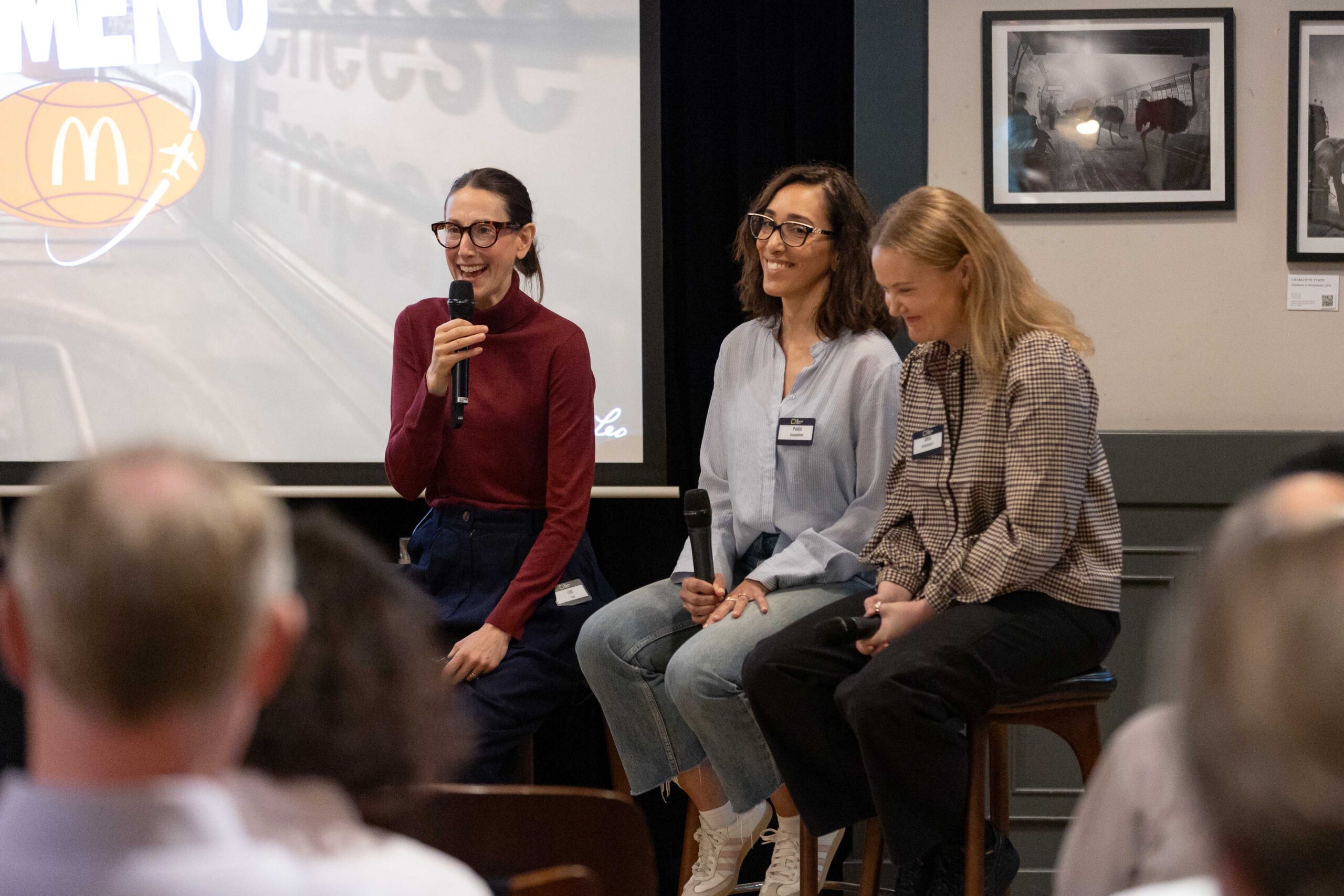
On Wednesday, we hosted the latest instalment of The Marketing Society‘s Uncomfortable Conversations series.
This time, we explored the real value of conversation and why getting people talking can be about much more than generating buzz. Our panel shared practical insights on how brands can create conversations people genuinely value, listen to what customers and communities are already saying, and connect conversation with both brand growth and commercial outcomes. We also explored the growing role of creators, communities and human connection, and why real conversation could become even more valuable as AI reshapes how we discover, share and consume information.
Top Five Insights
- Conversation needs to create value, not just noise
Talkability only matters when there is something worth talking about. The strongest brand conversations offer people something useful, surprising or recognisable, helping brands earn attention rather than simply demand it. Leo’s PopPulse research, conducted with Steve Lacey, highlighted three human benefits of conversation: wisdom, surprise and recognition. These create value for people and brands in a world where it can feel like the algorithm matters more than the person.
- Human conversation matters more in an AI-led world
As technology makes information more predictable, personalised and frictionless, real human interaction becomes ever more valuable. People use conversations to share experience, discover something unexpected and feel connected to others. This does not mean brands should try to become people’s friends. Brands can contribute by creating or supporting conversations that have genuine human value.
- Measurement needs to connect conversation with outcomes
Conversation should not become another vanity metric. The Talking Power Index uses existing data signals, including online behaviours and brand perceptions, and identifies those that are leading indicators of commercial outcomes. McDonald’s data trends over four years were modelled against share of search, producing a composite index which gives a faster indication of short-term sales, complementing longer-term metrics such as ROI and brand health.
- Start with something genuinely worth talking about
McDonald’s showed how conversation can be built into the campaign idea from the start. Its World Menu Heist work used existing fan behaviour and cultural conversations to create campaigns people wanted to share, with products such as the Pineapple McSpicy becoming significant conversation drivers even when they were not the biggest sellers. The resulting social response was followed by a sharp commercial response, giving the business confidence to take calculated risks.
- Give people room to shape the conversation
Brands do not need to control every conversation. The strongest approach combines a clear idea with enough freedom for creators, customers and communities to add their own voice. That means listening before acting, finding relevant communities and treating creators as creative partners rather than simply another media channel. Conversation can also strengthen organisations internally, creating space for different voices, new ideas and better collaboration.
A huge thank you to Nishma Patel Robb for hosting the discussion, and to panellists Lilli English, Alice Pavey and Paula H Gonzalez for sharing their insights and perspectives.
Thank you also to The Marketing Society and everyone who joined us for another thought-provoking conversation.